
1. Product & Industry Overview
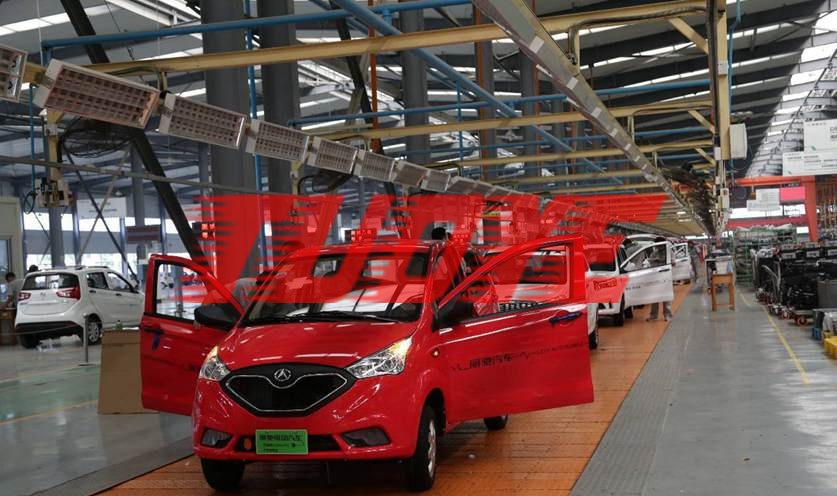
Plants building micro EVs almost always run several models on one line — so the first problem a micro EV assembly line has to solve is mixed-model production. The micro EV assembly line (also called a micro EV production line or low-speed 4-wheeler assembly line) organizes everything from chassis marriage and powertrain to body trim and whole-vehicle testing; Tuoye, an assembly line manufacturer in Wenling, Taizhou, Zhejiang, China, designs its micro EV production lines for flexibility around the industry's many-variety, mid-volume character.
The model range in this segment is scattered: two- and four-seat micro low-speed EVs serve community and campus shuttling; electric sightseeing carts work scenic areas and factory campuses; electric trucks and yard vehicles handle in-plant logistics; low-speed canopy 4-wheelers take short-haul rural transport. For all the apparent variety, the differences that reach the low-speed 4-wheeler assembly line come down to three things — battery capacity and packaging, motor power, and trim complexity. So the station allocation across chassis, powertrain and trim sections must follow the main models, with margin reserved for model changeovers; otherwise the next new model cannot board the line and the production line itself becomes the bottleneck.
2. Process Flow (see photo)
The photo shows a low-speed EV assembly line on orange pallet-type plate chain: vehicles travel straight ahead on carrying tabletops, ten to fifteen stations, station seats and workbenches along the side with racks and bins in a row; bridge lighting and hanging fans overhead, display boards and signs on the columns spelling out the work content, button boxes and e-stops at each station; partition fencing separates the assembly zone from the logistics lane. Note the red and white micro EVs running mixed on the line — the everyday reality of a micro EV production line, where process documents and racks must follow the vehicle. Assembly sequence: chassis on line → front/rear suspension and brakes → motor, rear axle and drive → battery pack and controller → body marriage → harness and electrical parts → doors and panels → seats and trim → whole-vehicle testing and off-line. Cycle time on a low-speed 4-wheeler assembly line typically runs from tens of seconds to two minutes; with poor line balancing the line "traffic-jams".
3. Customization & Service
Customization room on a micro EV assembly line: sections can mix plate chain, speedchain, roller and belt; mixed-model identification can be barcode or RFID — one scan tells exactly which step this vehicle has reached; smart electric screwdrivers with torque-data archiving are a frequent must from export-oriented plants. To propose a low-speed EV production line, Tuoye needs three inputs — model range, JPH target and workshop floor plan — then returns the full-line layout, equipment list and quotation. Equipment is pre-assembled and trial-run in our plant before shipping, commissioned on site through trial production, with training included. Warranty one year; chain plates, pallets and gearmotors kept as long-term spares. Old lines can be saved as well: many plants still run ten-year-old hand-push lines, and we have done plenty of retrofit jobs converting them to powered plate-chain conveying with counting boards — small money, big effect. For a sightseeing cart or low-speed 4-wheeler assembly line quotation, contact us directly.
One number customers care about most: changeover time. When a micro EV assembly line runs three to five models mixed, changeover lives or dies on quick-change traveling fixtures and process-document switching — a well-built line changes models within half an hour, a poor one burns half a day. The difference is whether the pallets on the micro EV production line carry pre-drilled locating positions for multiple models and whether the racks are zoned by model; both points are written into Tuoye's proposals from the start. A reminder for export business: keep torque data archived on the low-speed 4-wheeler assembly line (smart screwdrivers + torque records), and check which certifications the target market demands before freezing the configuration — retrofitting traceability after the line is built costs far more. The red-and-white mixed running in the photo is the most direct picture of a micro EV production line's flexibility.