From Trim Line to Water Test: Section Breakdown of an Automotive Final Assembly Line
1. Product & Industry Overview
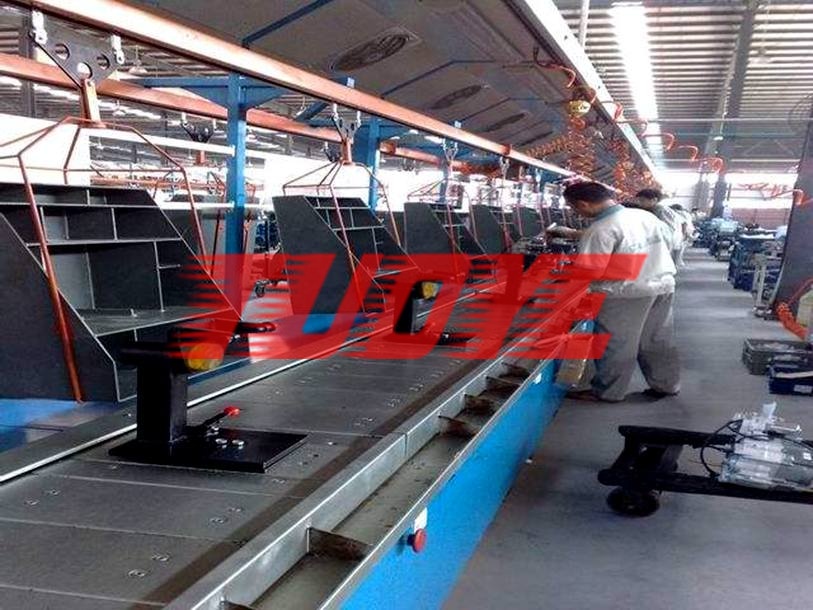
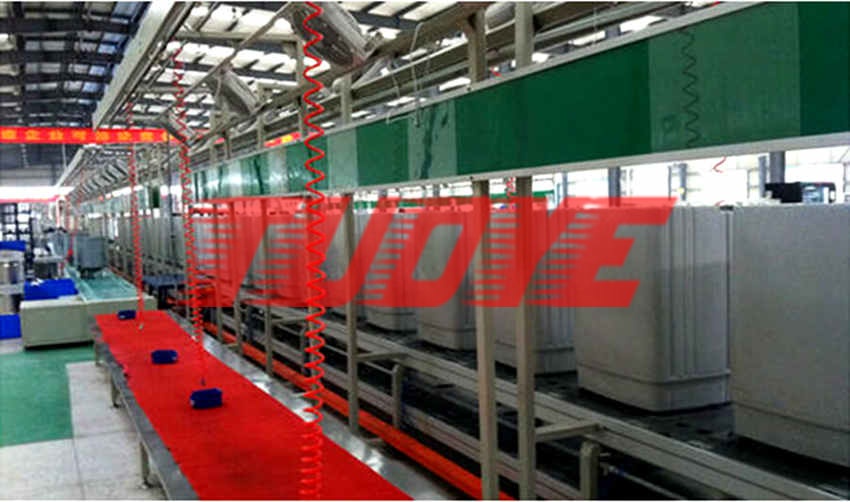
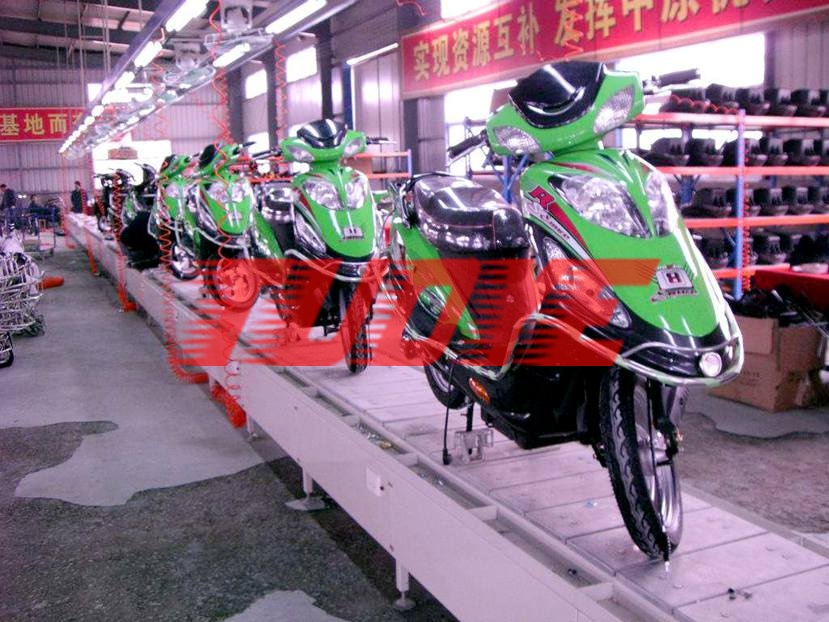
An automotive final assembly line — also called a car production line or vehicle assembly line — turns painted bodies plus thousands of parts into finished vehicles, built from main lines (trim, chassis, final) and sub-assembly lines (instrument panel, doors, powertrain, wheels). From Wenling, Taizhou, Zhejiang, China, Tuoye takes on the conveying equipment and complete station engineering of the final assembly line.
Industry-wise, the final assembly shop divides into preparation, trim, chassis, final assembly and test sections: bodies arrive from paint into the trim line for harness, instrument panel, carpet and glass; the chassis section marries powertrain and suspensions to the body (on new-energy vehicles, the battery pack and front/rear suspensions marry in one fixture set); final assembly mounts wheels, seats and doors; then interior/exterior inspection, wheel alignment, lamp and brake checks and the water test close it out. The EV wave has made integral chassis marriage mainstream, raising the bar on marriage equipment closing precision and lifting synchronization.
2. Process Flow & Line Configuration (as shown)
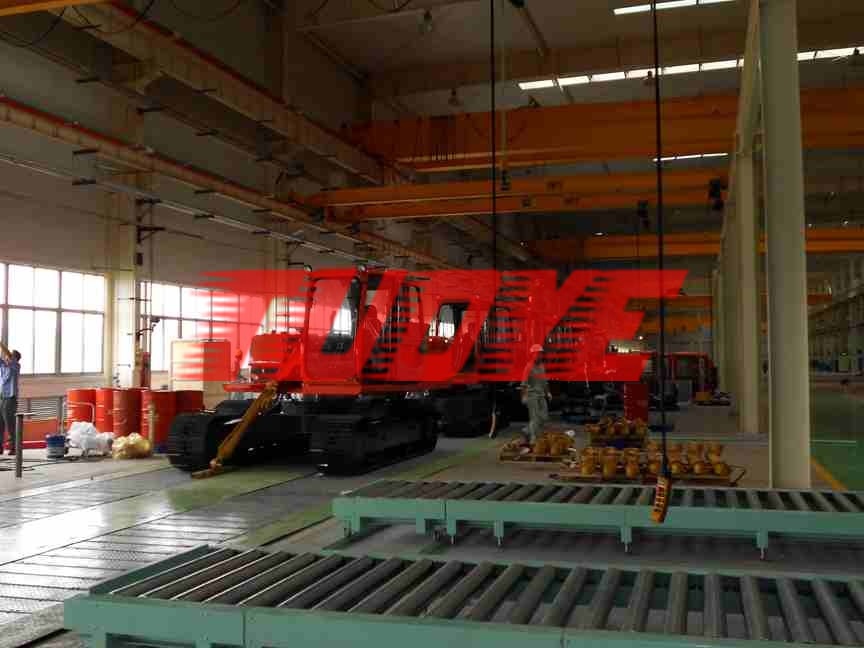
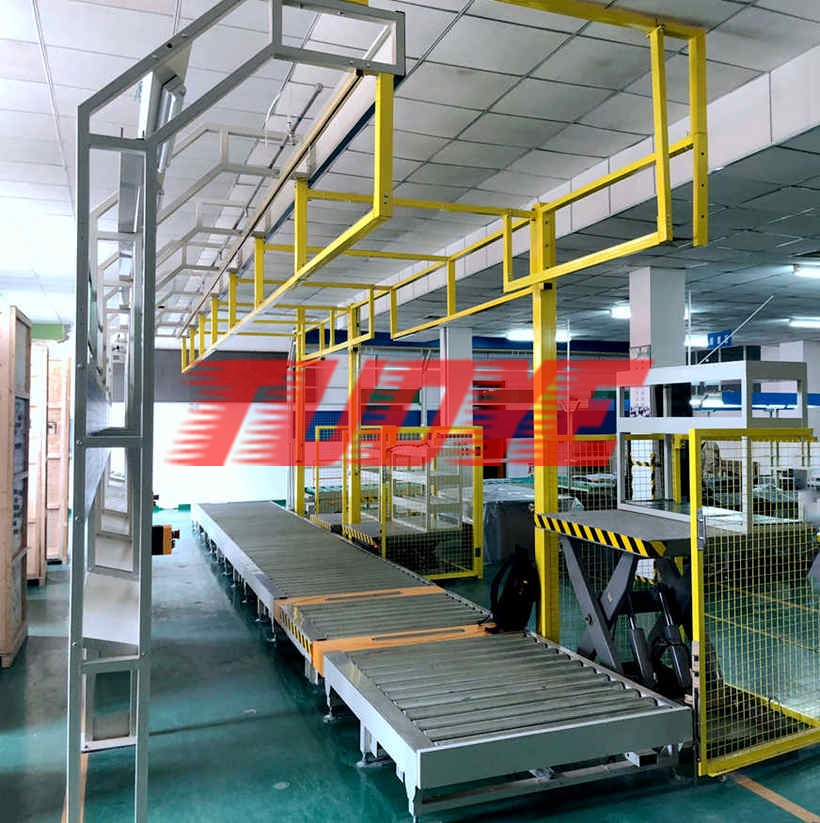
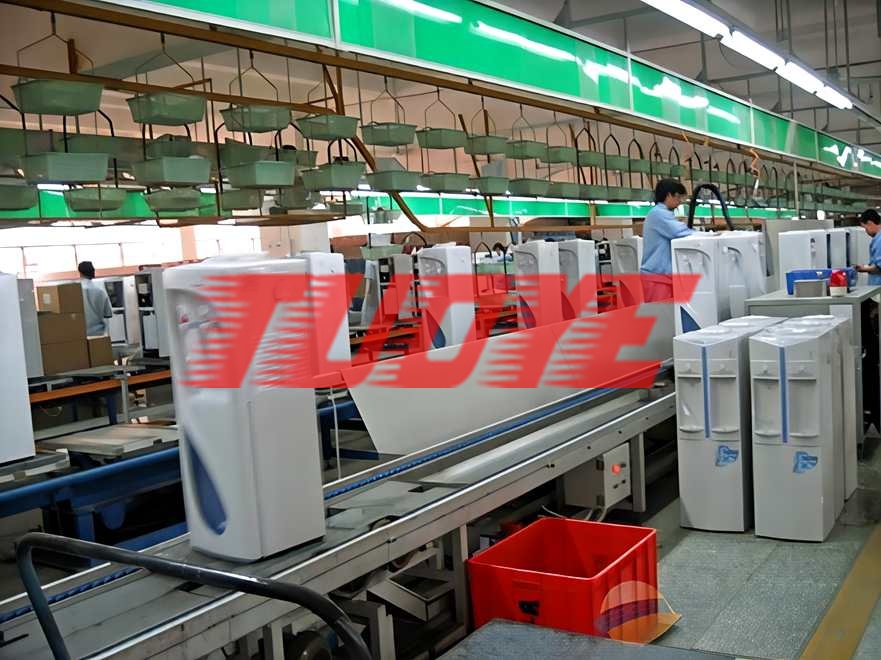
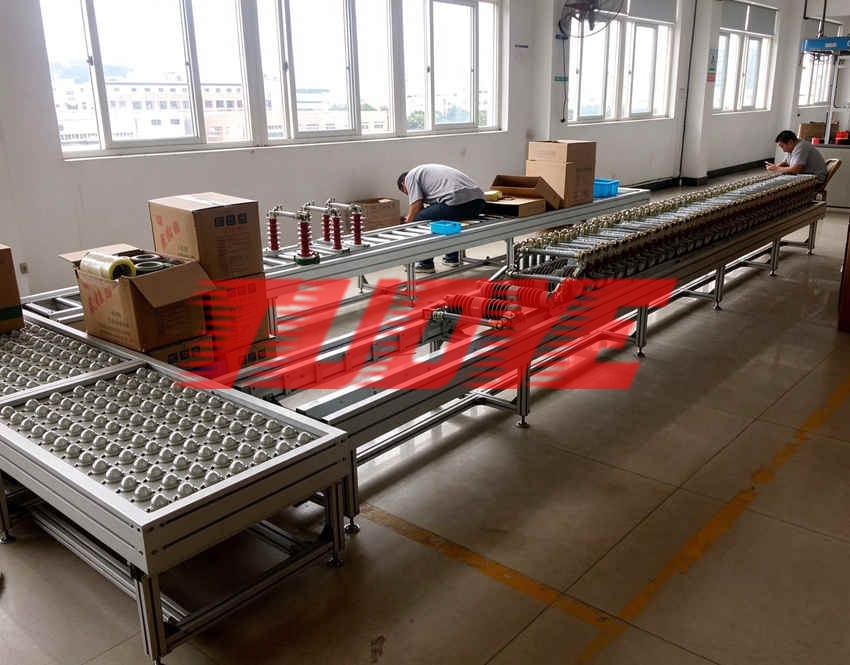
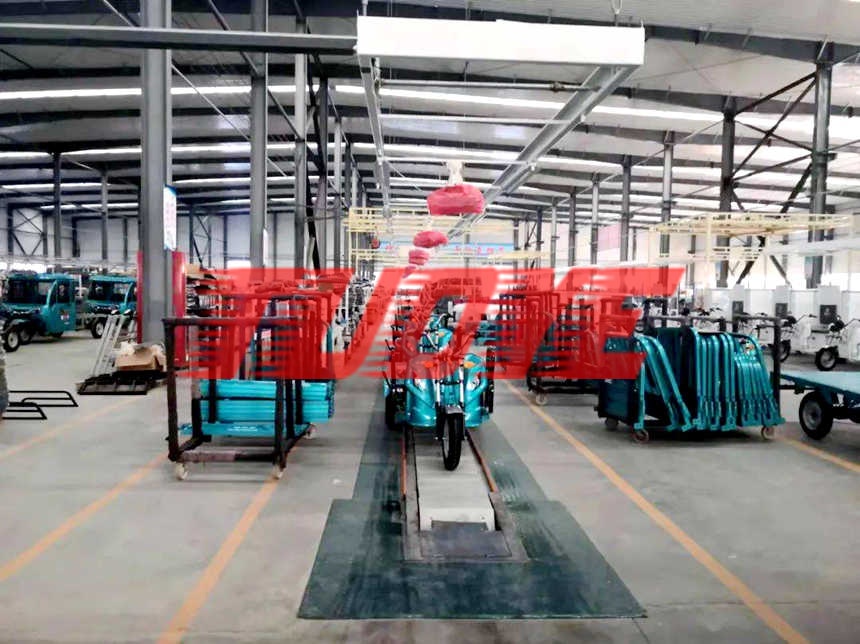
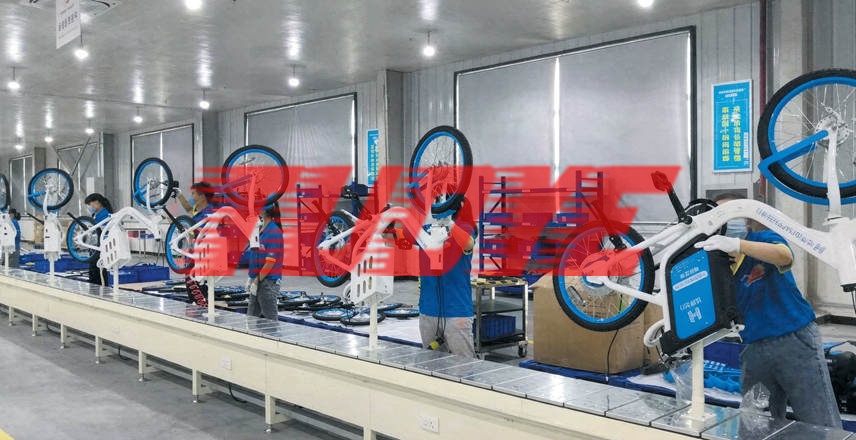
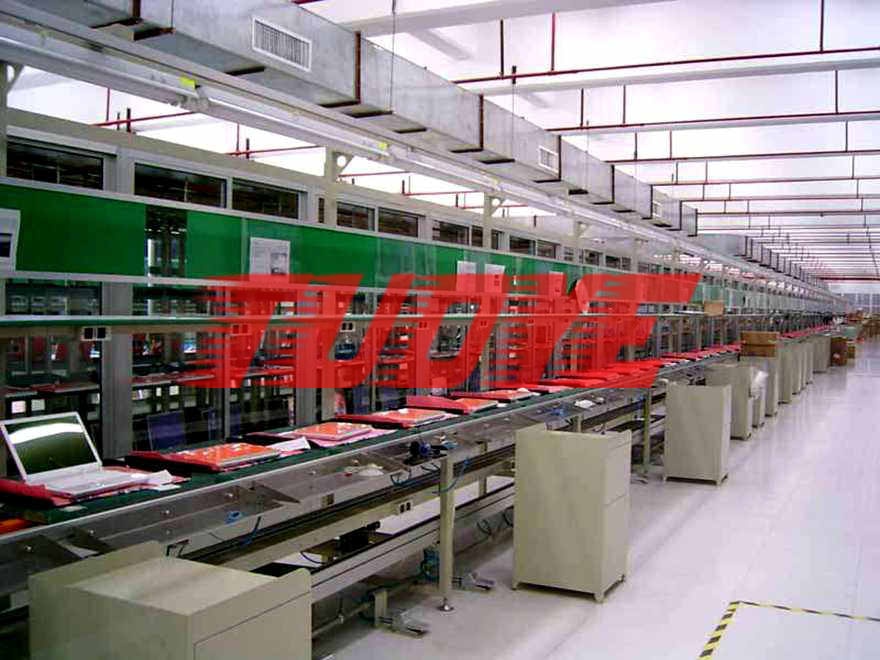
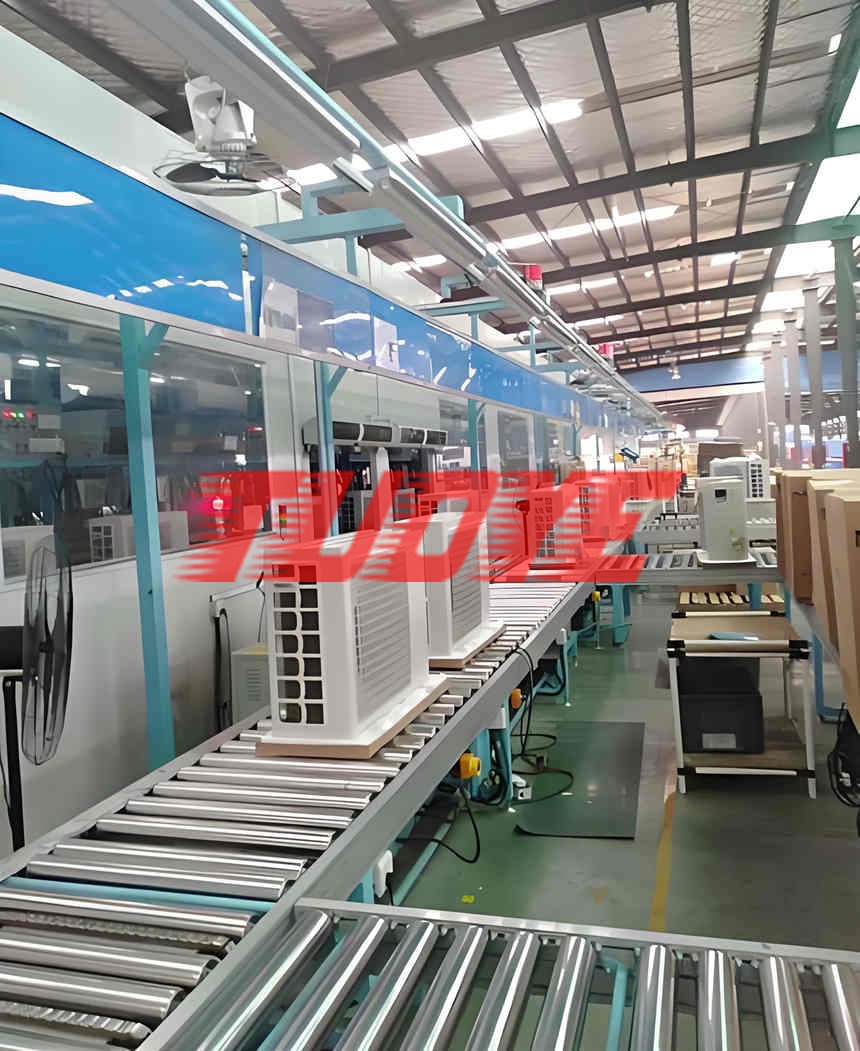
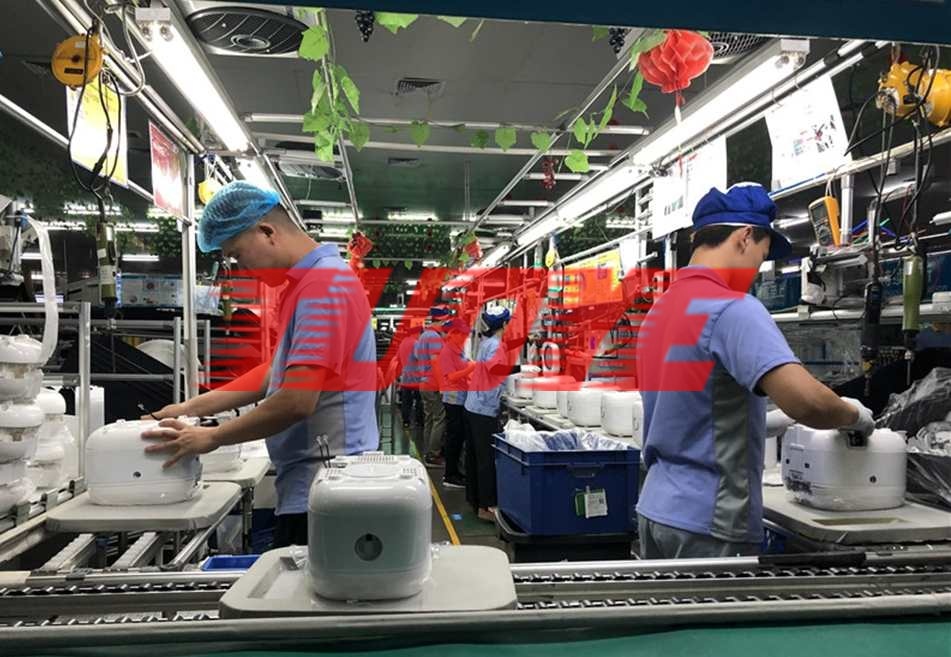
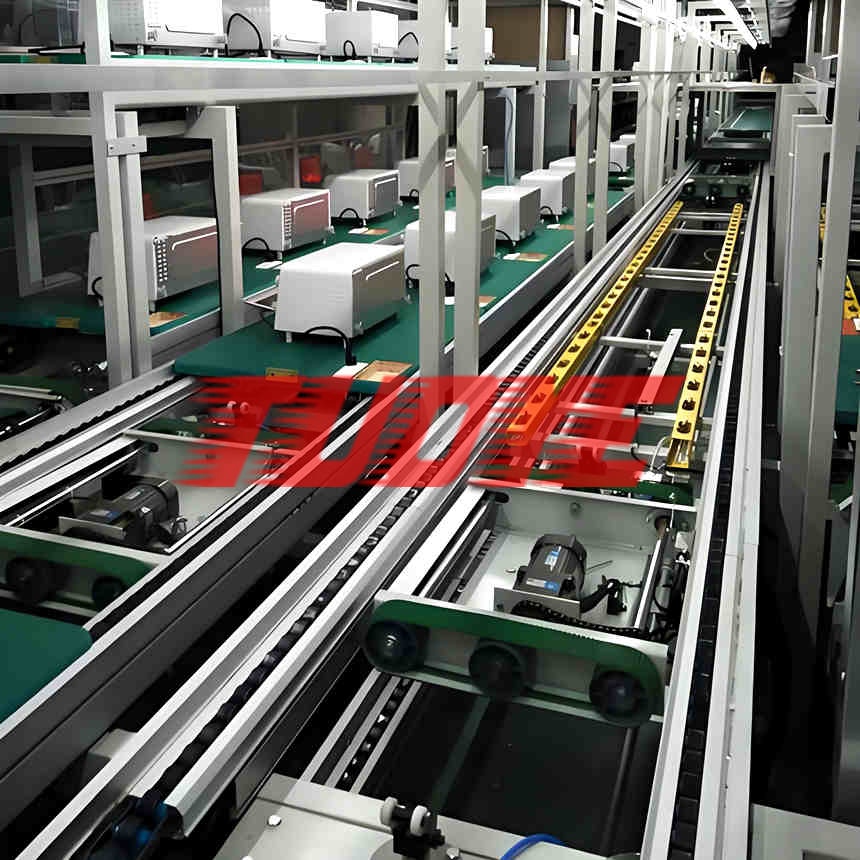
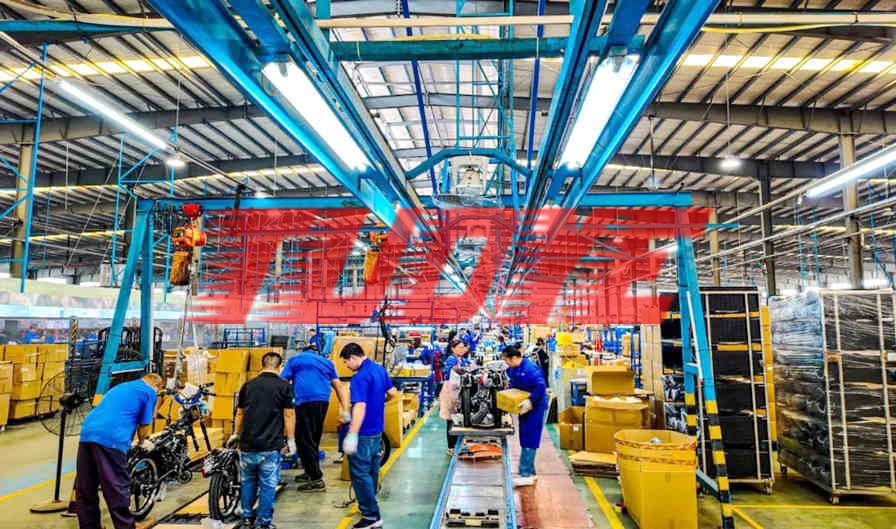
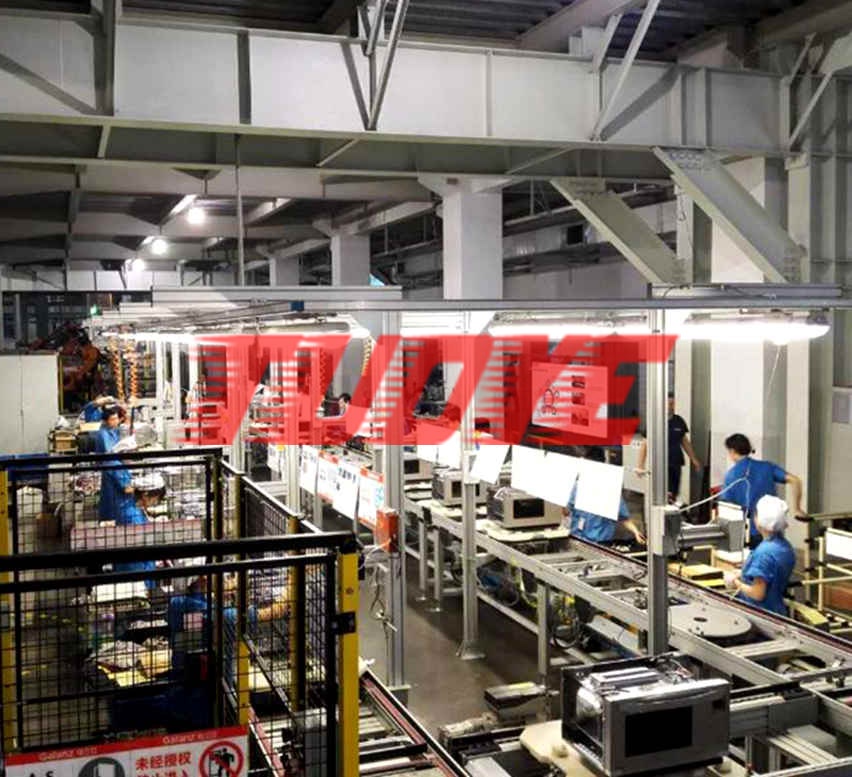
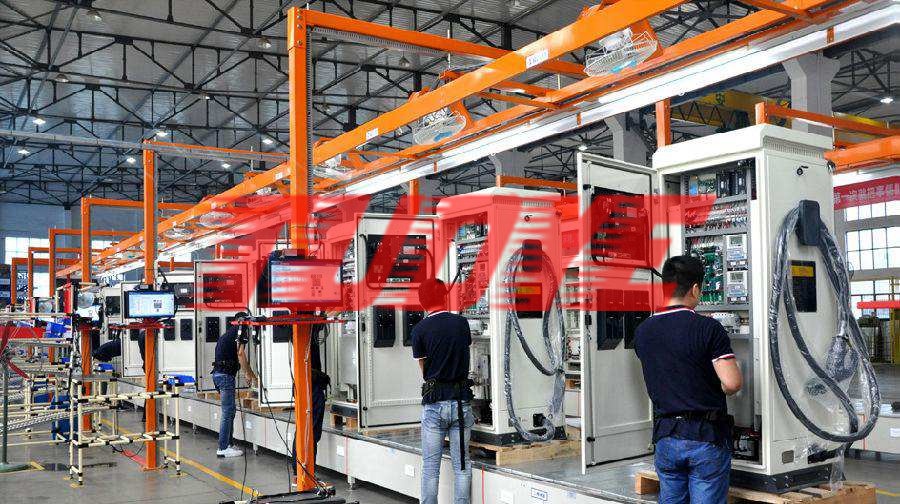
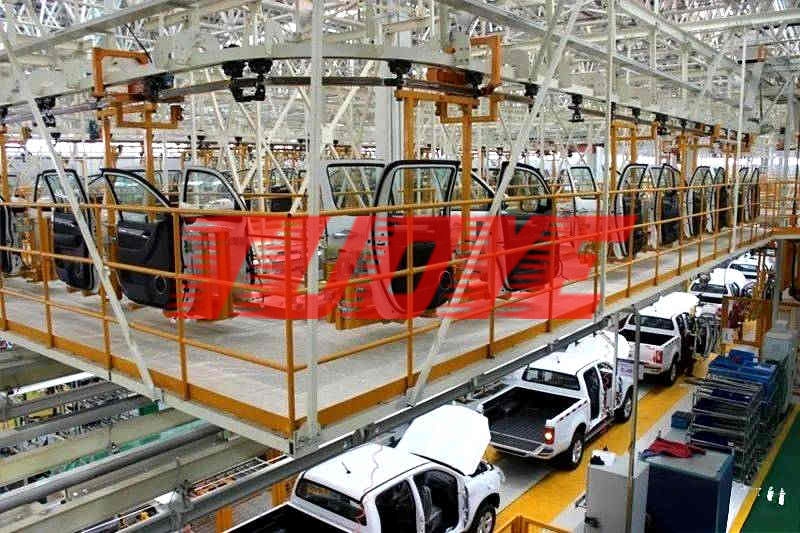
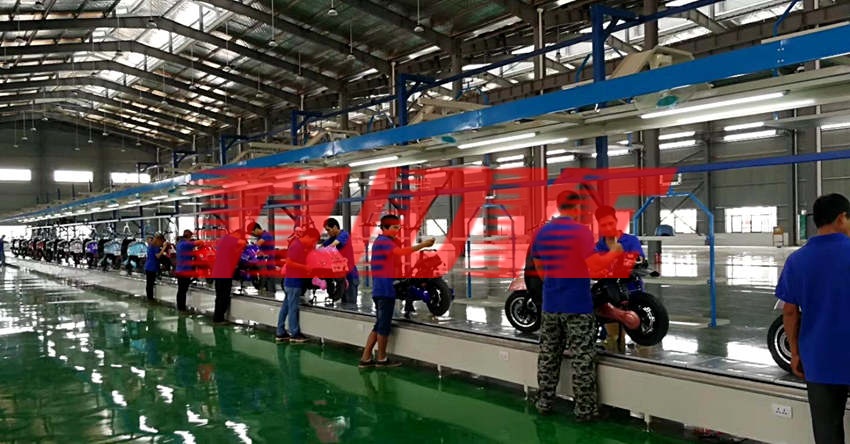
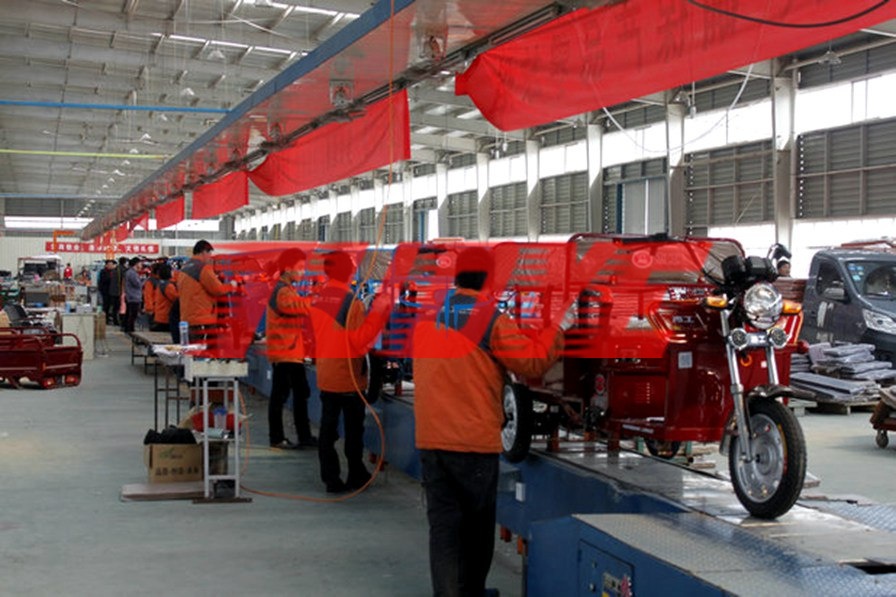
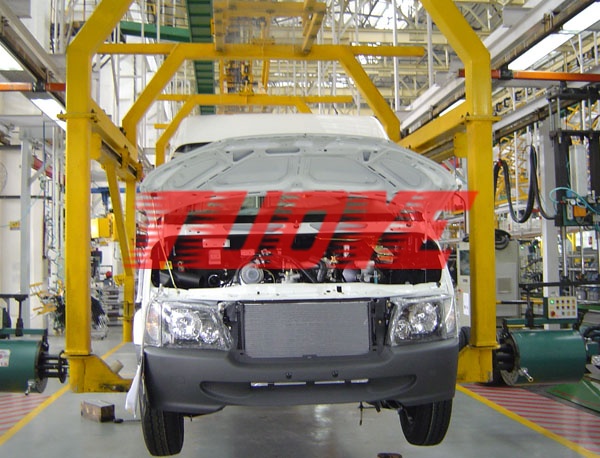
As shown, this case section uses plate-chain/roller conveying with yellow steel gantry hoists: the line carries bodies in straight flow with work zones on both sides, green motorized rollers driving the line; gantry hoists dock sub-assemblies onto bodies, utilities run on overhead bridges, floor guide rails steer the body flow, and epoxy flooring carries yellow zoning. Pneumatic and electric tools line the stations while operators fit chassis and exterior parts on both sides of the body. Typical flow: body on line → trim line (harness, headliner, instrument panel, glass) → chassis marriage (powertrain or battery pack, suspension, brakes) → final assembly (wheels, seats, doors, fluids) → interior/exterior inspection → test line (alignment, lamps, brakes, emissions) → water test → road test and off-line.
3. Customization Options
The automotive final assembly line is a non-standard turnkey project: main and sub-assembly lines planned together against capacity (JPH) and platform; conveying combines plate chain, skid, EMS overhead trolleys and AGV; marriage stations carry lifting-type marriage equipment; the test section is engineered jointly with test-equipment suppliers. From your vehicles, capacity and workshop, Tuoye issues the complete plan, section-wise equipment lists and quotation, with phased construction and expansion supported.
4. Delivery & Service
Turnkey delivery: early alignment on platform, JPH target and workshop span, balancing main and sub-assembly beats, logistics routing and civil interfaces, then the general layout and section lists; equipment ships in batches after pre-assembly and trial runs, is commissioned on site and accepted with trial vehicle production, maintenance crews trained. One-year machine warranty, long-term supply of chain plates, rollers, hoists and drive spares, plus beat upgrades, model-introduction retrofits and test-section upgrades. Planning a new passenger car final assembly line or NEV vehicle assembly production line — or retrofitting the marriage section and speeding up conveying on an existing car production line — Tuoye joins the process planning early and delivers the complete proposal and quotation. Welcome to the table.
Permanent link: https://www.liushuixian.com/post/from-trim-line-to-water-test-section-breakdown-of-an-automotive-final-assembly-line.html
Disclaimer: Some articles on this site are compiled from public technical sources for reference. If any content infringes your rights, please contact us for removal. Please credit the source when reprinting.