As Air Purifier Models Iterate Faster: Quick-Change Tooling and Burn-in on an Air Purifier Assembly Line
1. Industry Overview
Air purifier demand swings and model lifecycles shorten — line flexibility becomes the competitive factor. An air purifier production line builds from four assembly-and-test blocks: base, blower, filters, shell; the trade also says air purifier assembly line. By type: household tower units run long air paths in slim bodies; box units stay compact and fast-moving; desktop models are small-part heavy with dense packing stations; commercial high-volume units outrun the household class in blower power and weight; formaldehyde-specific models stack filters, doubling filter stations. Core performance lives in the blower volute assembly and filter stack; ex-factory testing samples CADR, cumulative cleaning mass and noise per GB/T 18801, while the line runs powered self-checks and burn-in unit by unit.
2. Process Flow & Line Configuration
The typical air purifier assembly flow: base and casters → blower volute assembly in (alignment, fastening, damping pads) → control board and sensor wiring → filter stack assembly → shell and panel closing → nailing and fastening → powered self-check and burn-in → CADR and noise sampling → cleaning and packing.
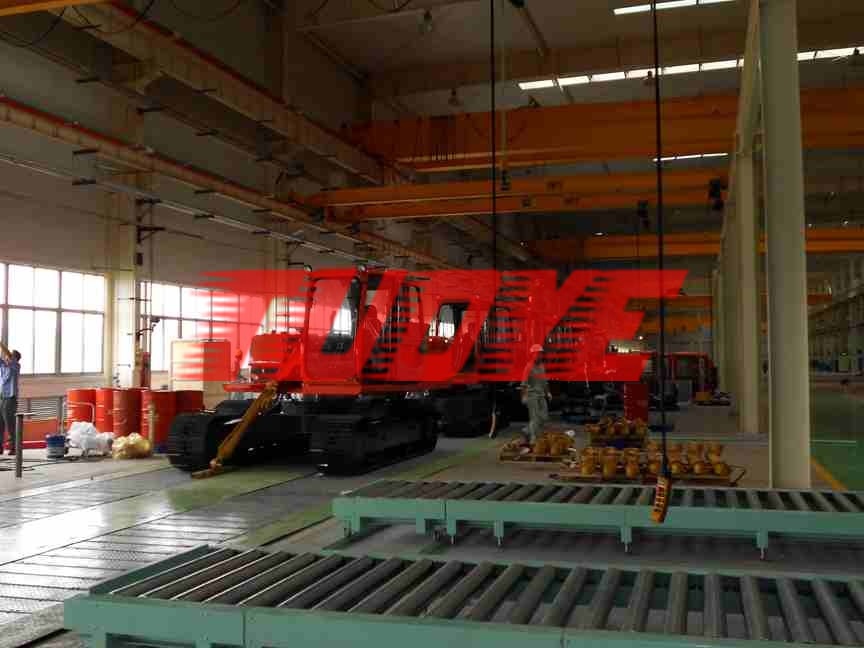
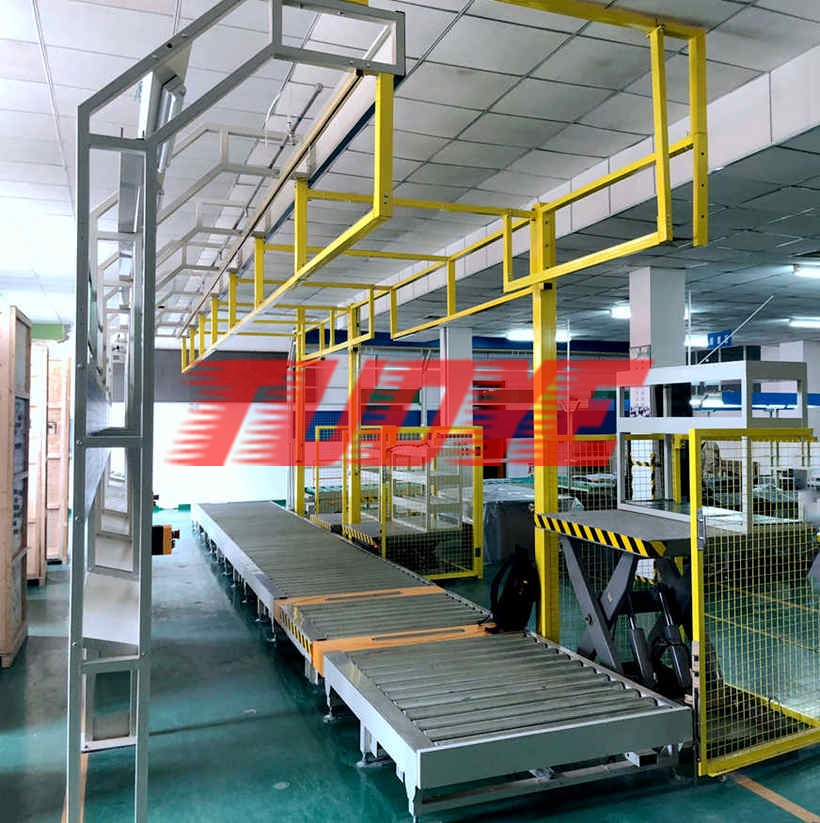
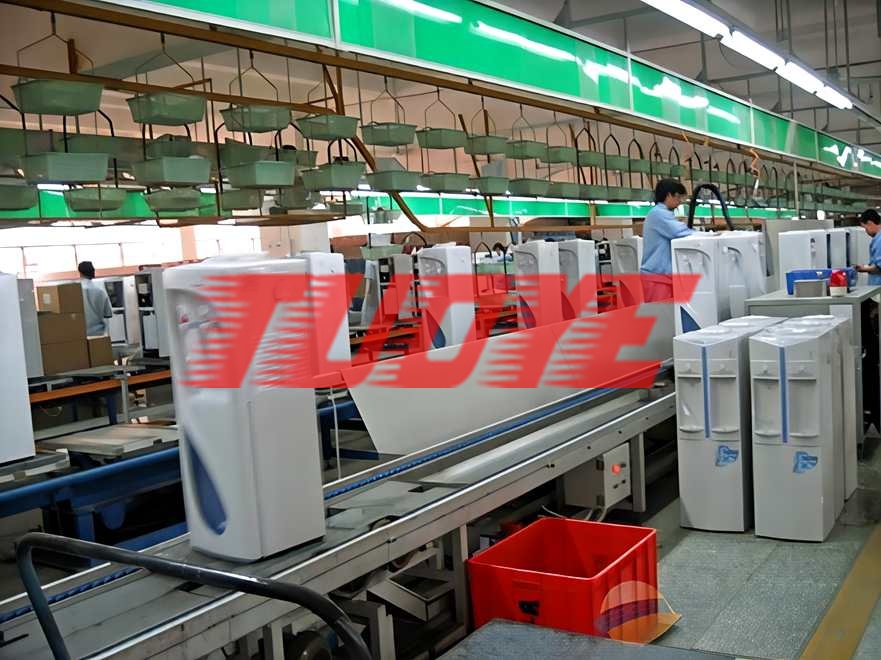
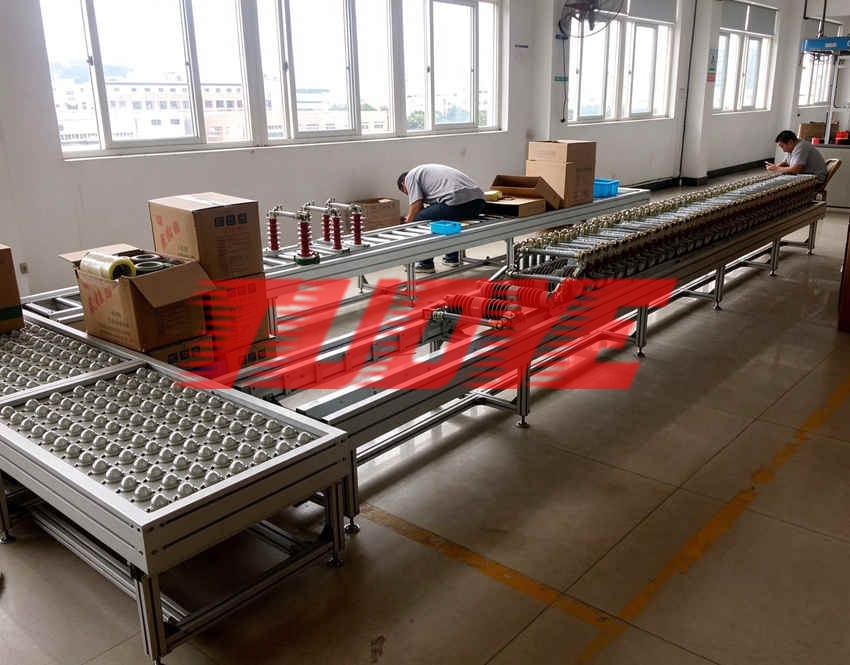
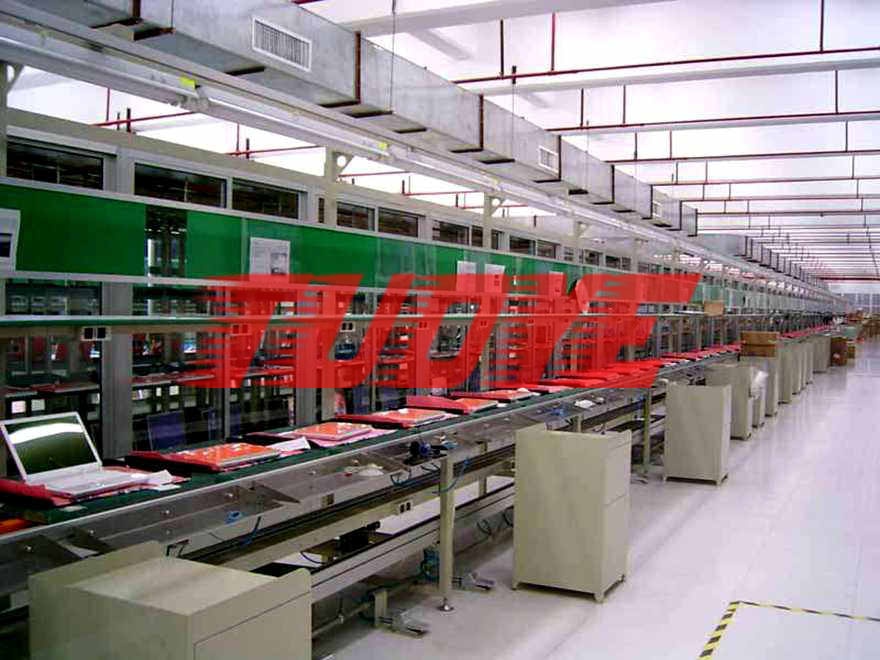
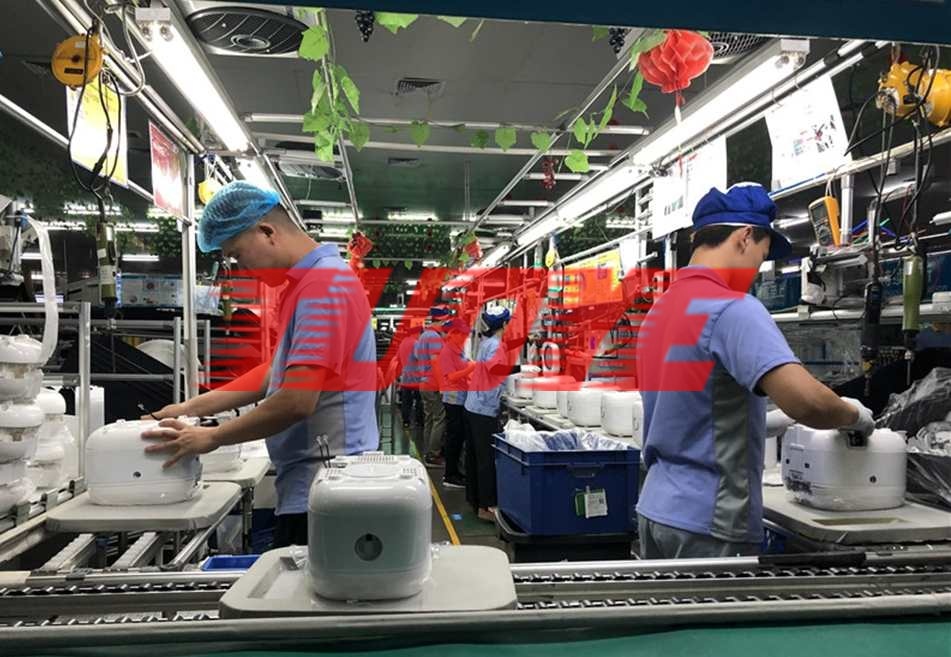
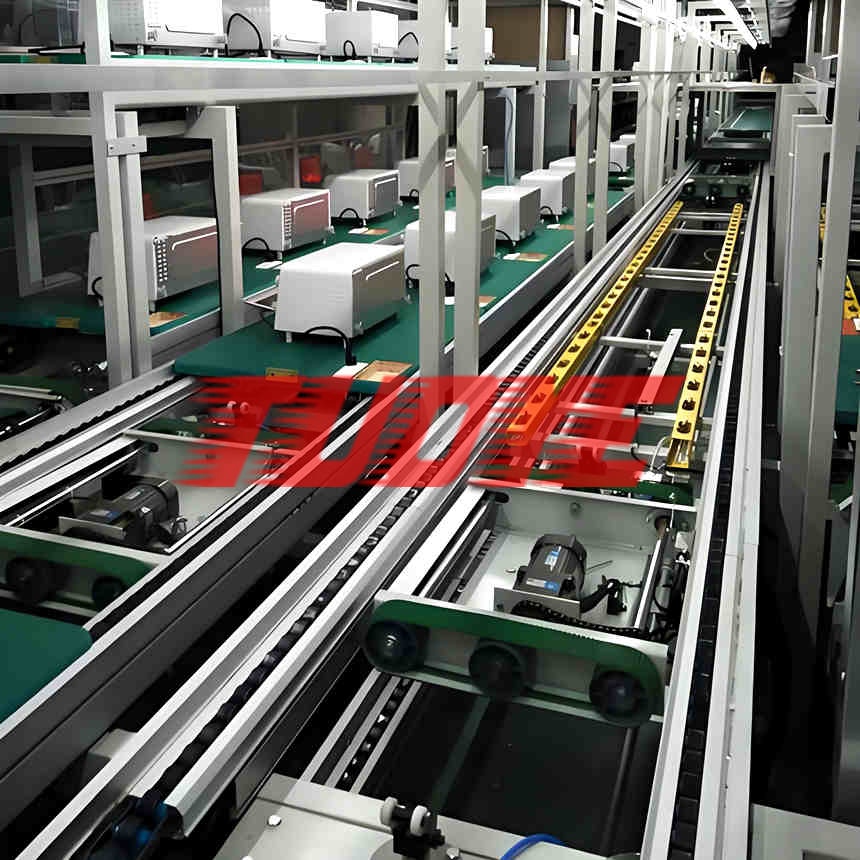
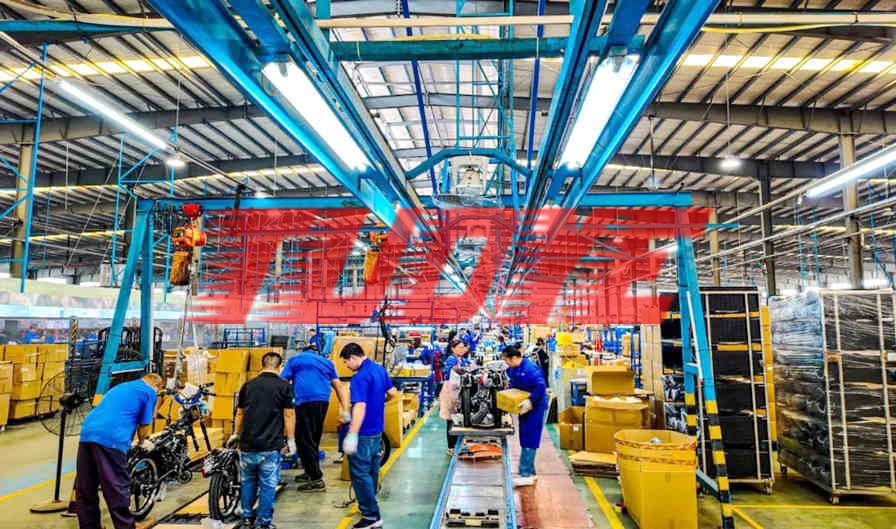
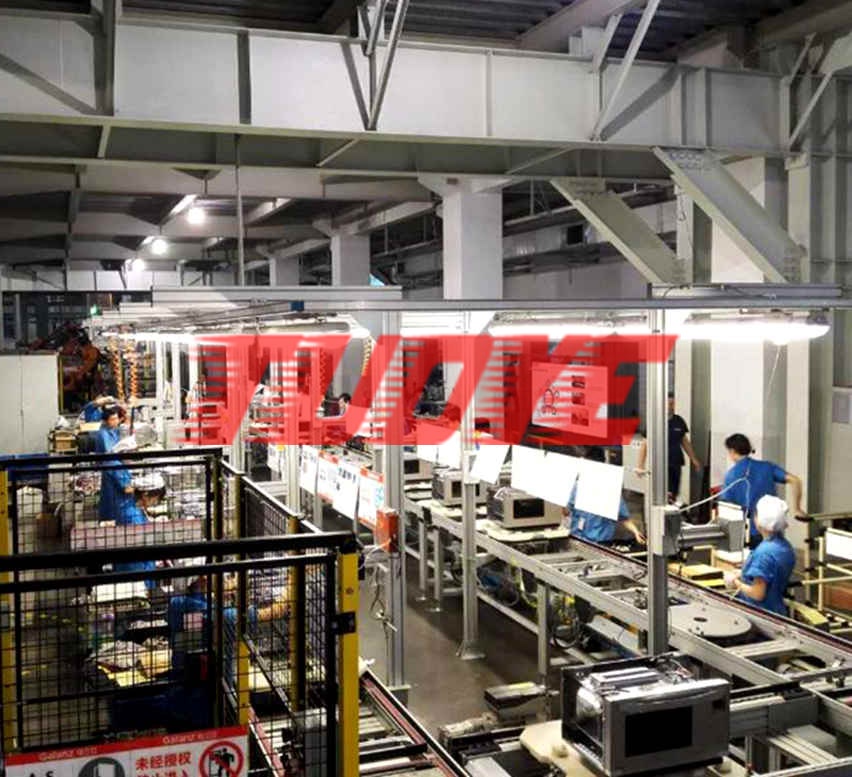
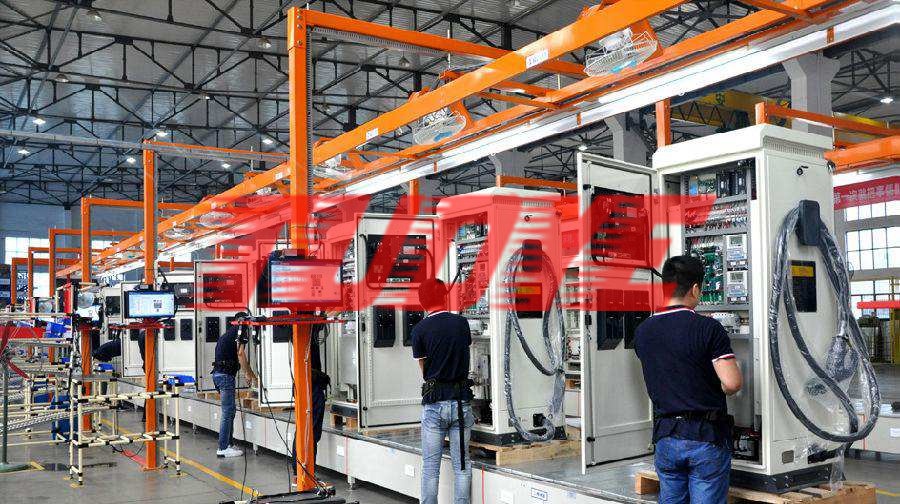
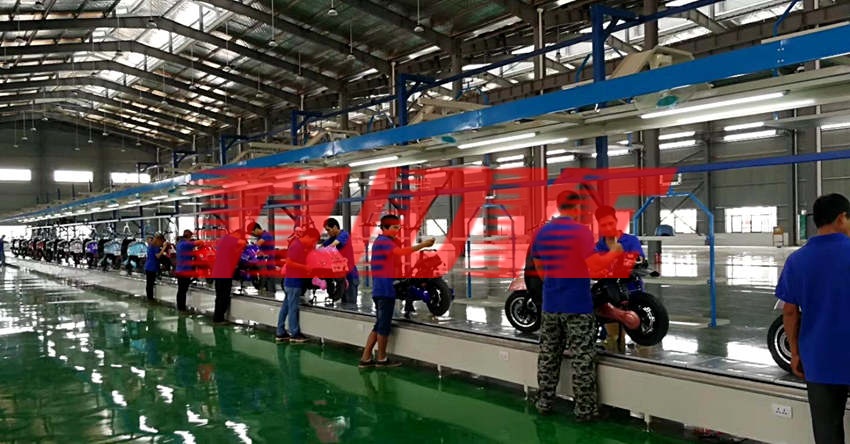
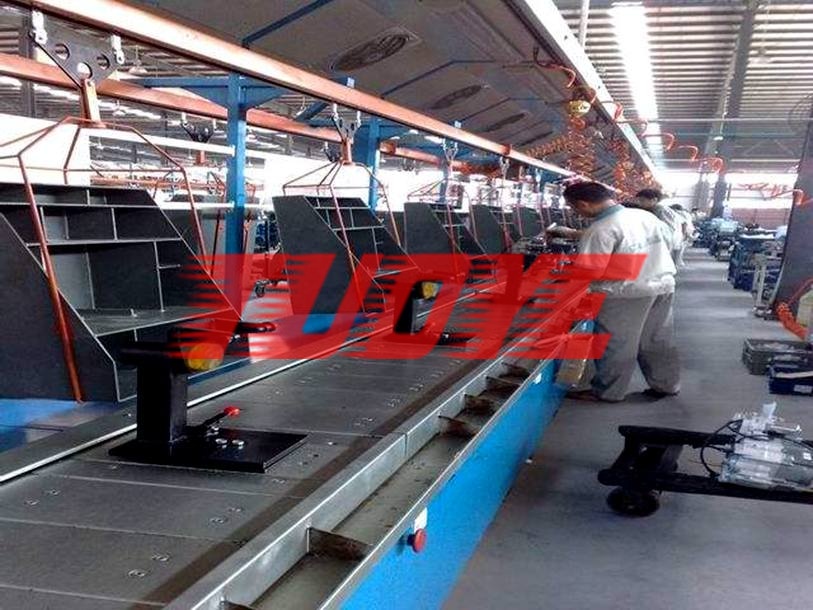
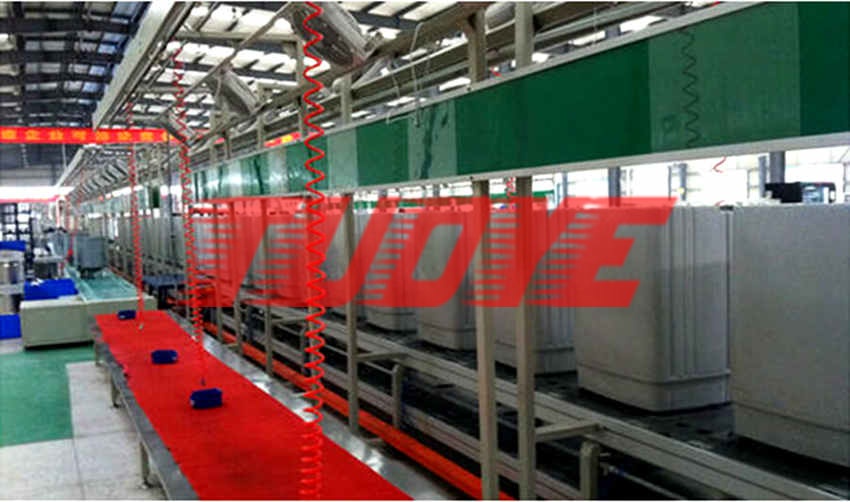
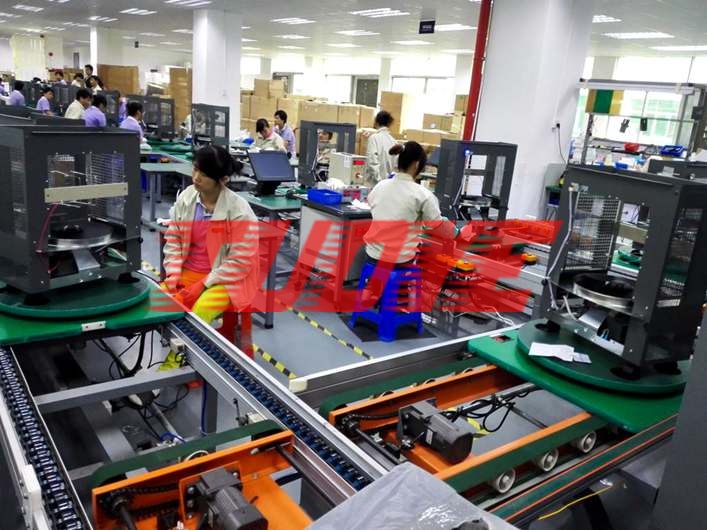
In a delivered project, the air purifier assembly line runs dual parallel speedchains, green ESD pallets at one unit per board with black locating blocks holding the shells; the blower-marriage station carries torque-controlled drivers against over-torqued plastic posts; seated stations line the twin lanes with small parts in totes; multi-tier burn-in racks take the powered units at the far end, sampling stations docking controlled airflow and noise environments.
3. Configuration & Selection Tips
Flexibility on a purifier line concentrates in quick-change tooling: locating blocks for old and new models built to a one-minute board swap, so a model generation restarts production with tooling alone — never a rebuilt line. Incoming HEPA filters get efficiency-class sampling, PM2.5 sensors get read-calibration after electronics assembly, keeping the indicator readings consistent with real cleaning performance. Burn-in racks size at a tenth of daily output with four hours per unit minimum; CADR and noise sampling run in controlled environments, noise under semi-anechoic conditions. Commercial models get their test-section power and acoustic environment rated separately by power class.
4. Delivery & Service
From model range, daily program and changeover frequency, Tuoye — in Wenling, Taizhou, Zhejiang, China — issues the air purifier production line proposal; equipment is pre-assembled in-plant and commissioned through acceptance. One-year machine warranty, pallets and stoppers supplied long-term, plus full quick-change tooling sets and retrofits on existing air cleaner assembly lines.
Permanent link: https://www.liushuixian.com/post/as-air-purifier-models-iterate-faster-quick-change-tooling-and-burn-in-on-an-air-purifier-assembly-line.html
Disclaimer: Some articles on this site are compiled from public technical sources for reference. If any content infringes your rights, please contact us for removal. Please credit the source when reprinting.