The Basic Conveying Section of Electronics Shops: Belt Surface, Speed Control and Station Setup on a Belt Conveyor Line
1. Industry Overview
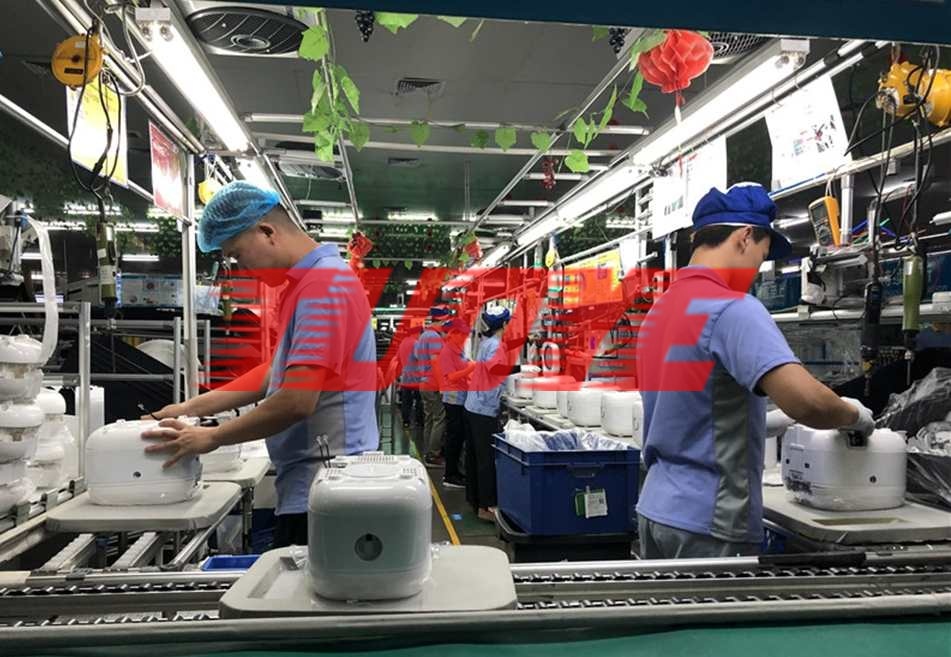
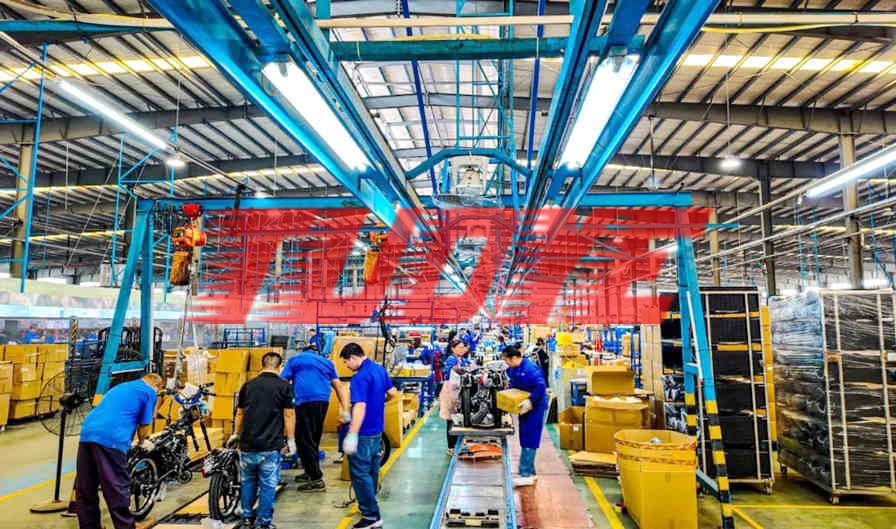
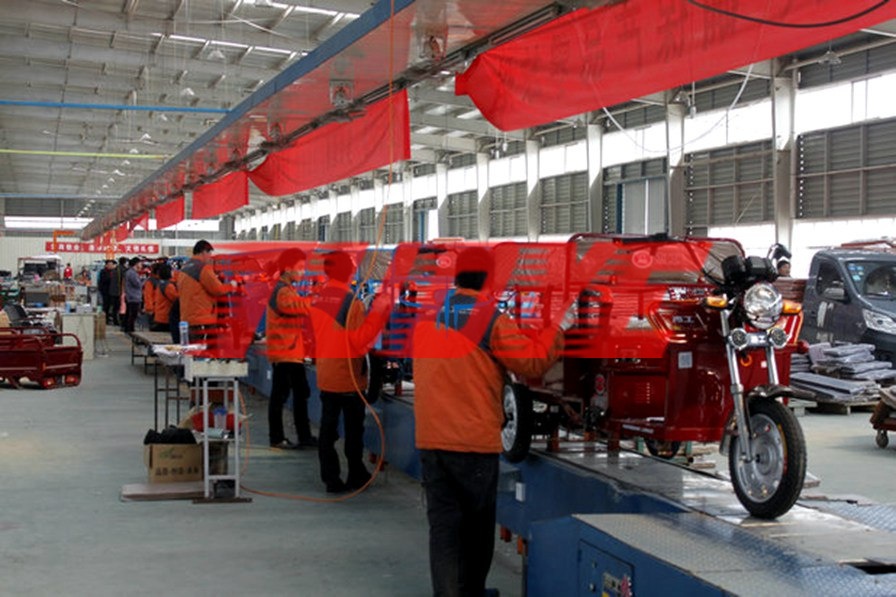
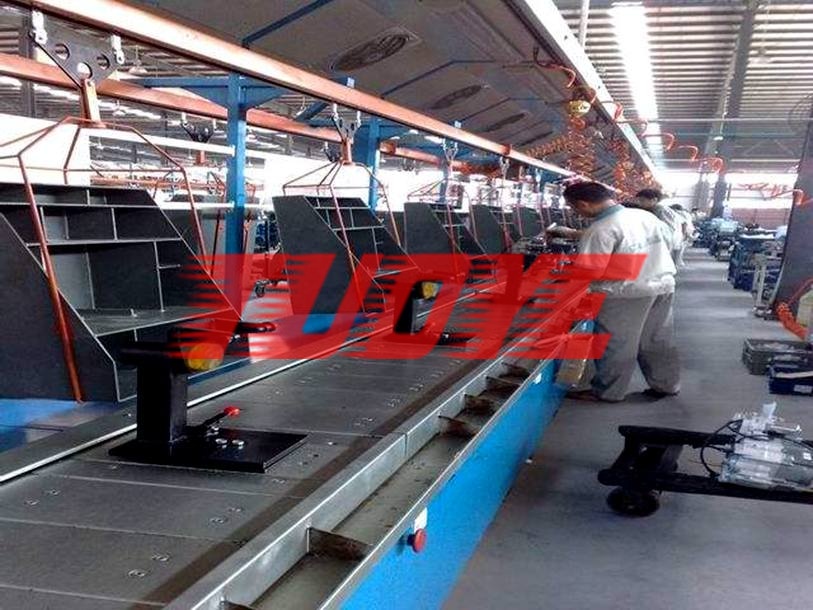
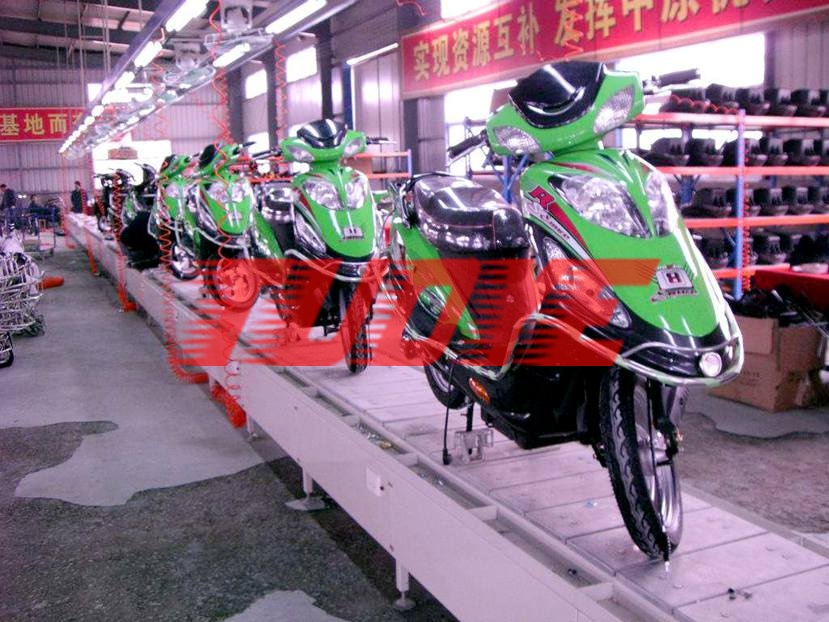
Belt conveyor lines are the base conveying carrier of electronics, small-appliance and instrument shops, moving work between assembly stations and linking processes. A belt conveyor line is simple and flexible — the trade also says belt production line. By form: flat belts carry straight conveying; ESD belts serve electronic stations; bench belts double as assembly surfaces; curve and incline belts stitch a workshop layout together. In electronics plants, insertion lines, touch-up lines, conveying before and after burn-in and finished-goods packing lines all descend from the belt assembly line — one shop's material flow is stitched from belt sections.
2. Process Flow & Line Configuration
The basic parameters of a belt conveyor line settle in three: belt surface, speed and workbench. The surface follows load and industry — light duty within 50 kg per meter takes light PVC, electronics take ESD PVC/PU, food plants take food-safe PU, heavier loads move up to multi-ply belting or closer idlers. Speed commonly spans 0.1-10 m/min with electronic or VFD control set to the production beat. Width follows the product lying across plus margin — 150-500 mm covers most electronic and mid-small appliance parts, special widths on request.
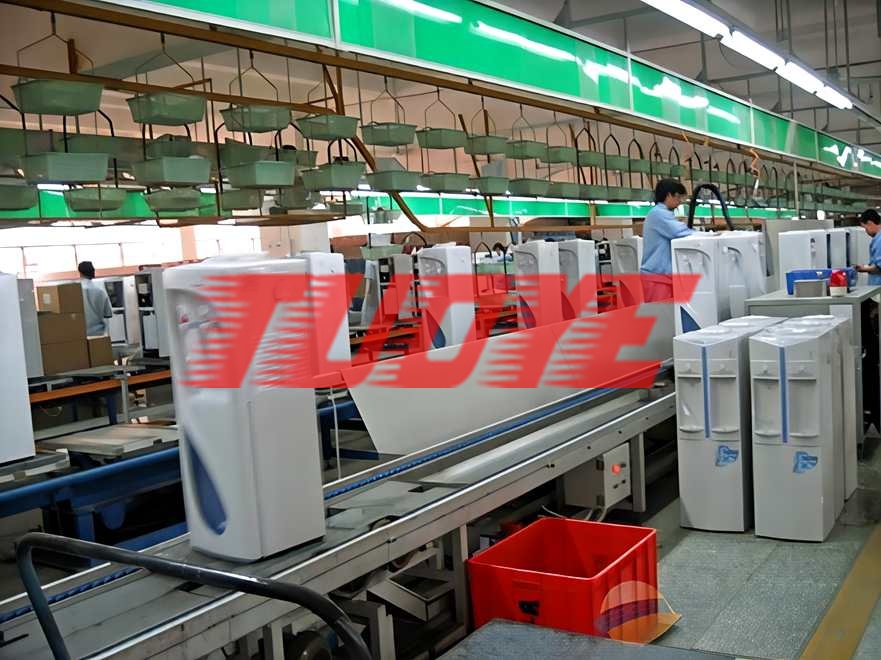
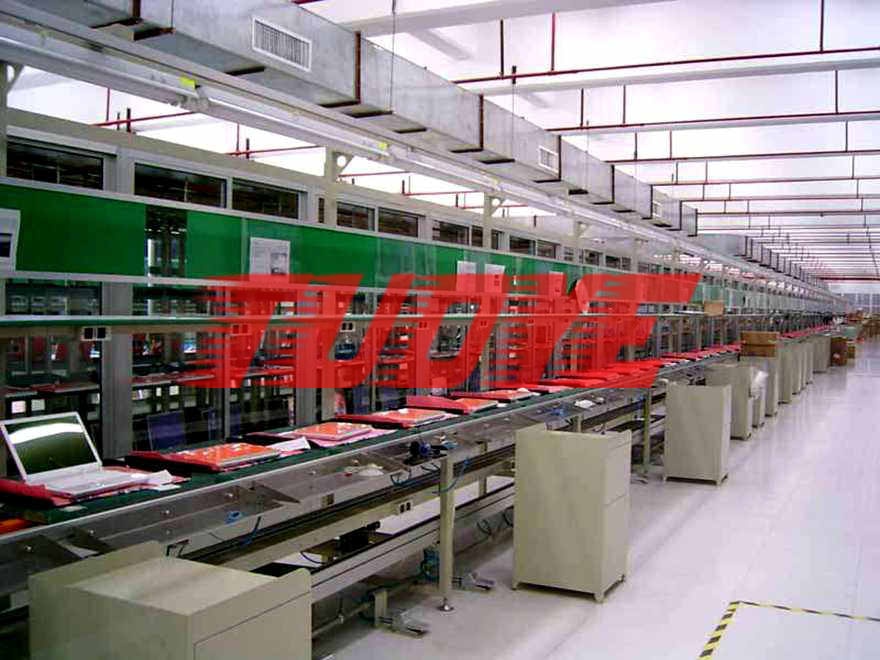
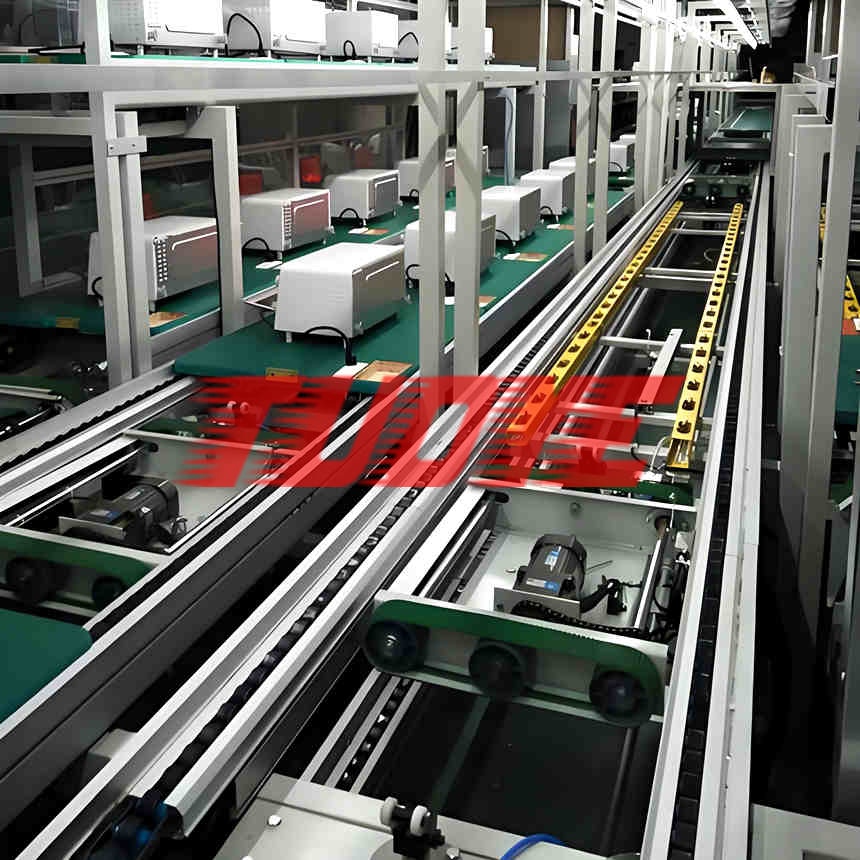
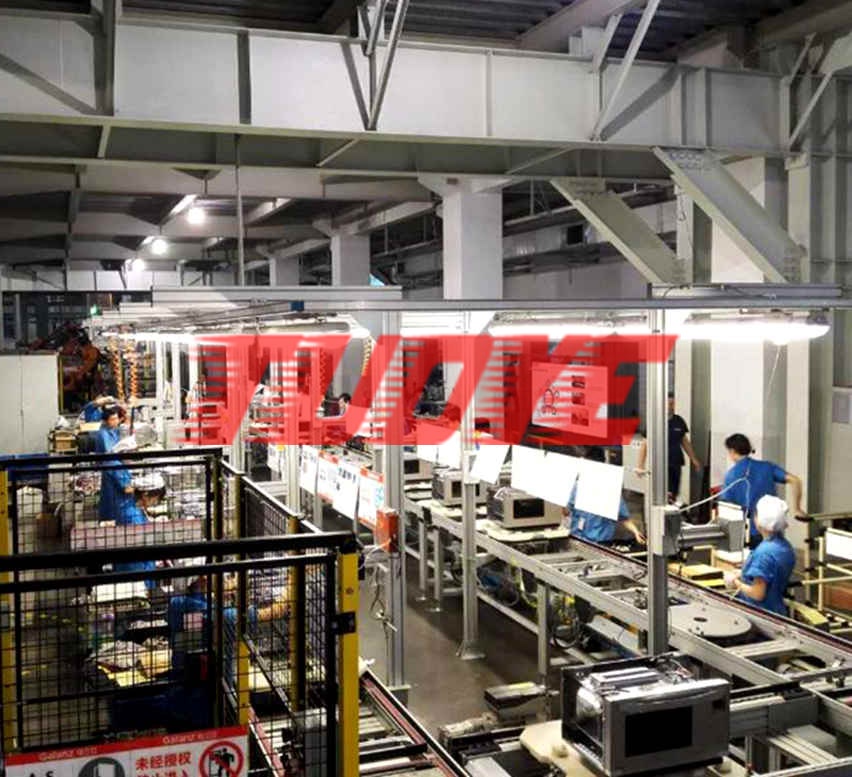
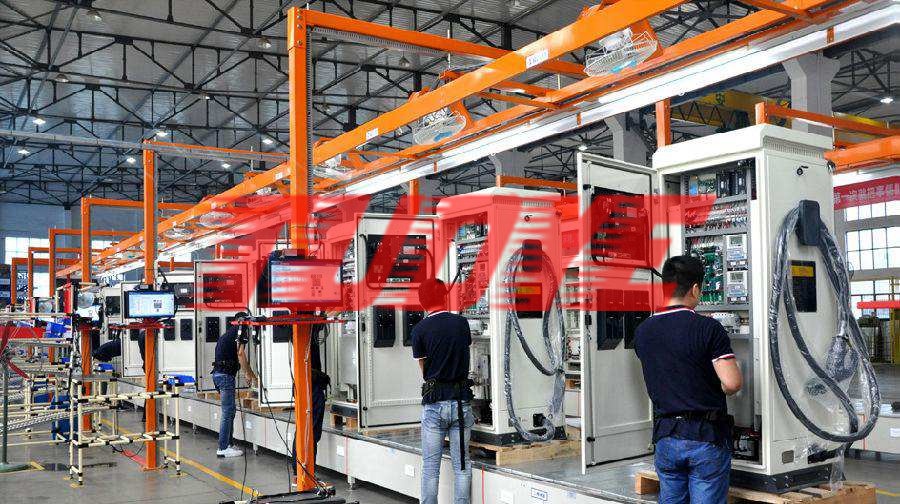
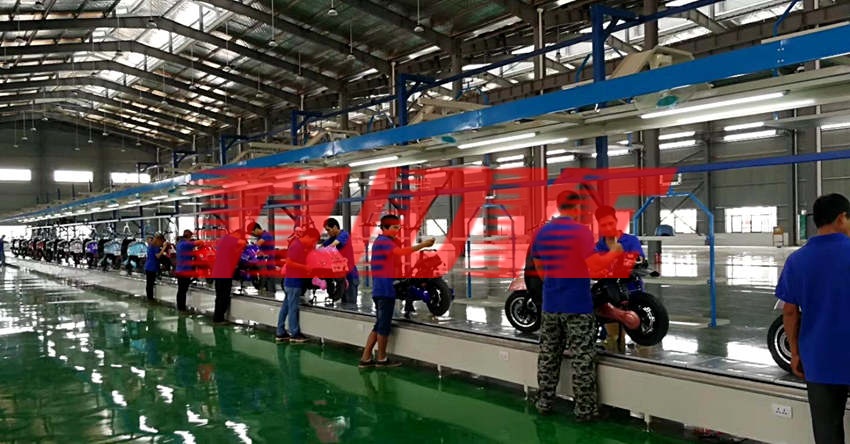
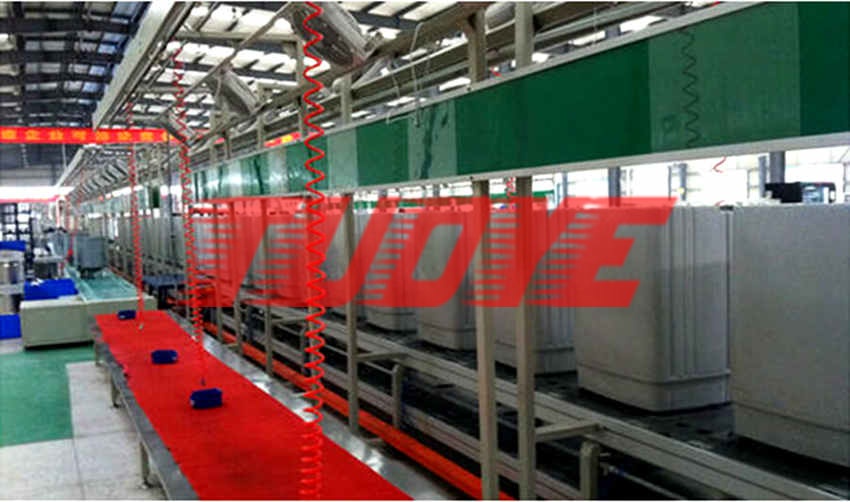
In a delivered project, the belt conveyor line runs aluminum-extrusion frames with green PVC belt, gear-motor drive at the end; lighting trusses overhead carry a process board per station, ESD workbenches at the side closing the assembly loop; multiple lines extend side by side into the shop depth, adjustable feet leveling everything.
3. Configuration & Selection Tips
Two process points on belt lines: splices are made with margin by hot vulcanization or mechanical fasteners — cold-glued splices lack endurance, and once they curl, tracking never holds true again; and installation levels the feet before tensioning, tensioning evenly on both sides so the belt never wanders. On special sections: curve belts take the minimum radius from the belt spec with guide strips against drift; incline belts fit cleats or skirts against sliding work; ESD belts select surface resistance per electronics-industry code. For stations: single or double benches, tabletop width, lighting and boards follow the work content, and stop-and-locate units turn the belt into a paced line.
4. Delivery & Service
From the three numbers — length, width, speed — Tuoye — in Wenling, Taizhou, Zhejiang, China — issues the belt production line proposal, standard sizes shipping on short lead times, curve and incline sections built to layout. One-year machine warranty, belts, idlers and speed controllers supplied long-term, plus re-beltting, extension and speed-up work on existing lines.
Disclaimer: Some articles on this site are compiled from public technical sources for reference. If any content infringes your rights, please contact us for removal. Please credit the source when reprinting.